Impressed Current Cathodic Protection
Research and development
- Services
- Energy
- Subsea services
- Research and development
Driving subsea innovation through R&D
Innovation is an important part of our operations. We are continuously looking for methods to perform our services better, simpler and more cost-effective for our client.
Our research and development department is committed to developing innovative tools and services that allow us to deliver safer and faster. In the field of subsea services in particular, our research and development capabilities have made great progress.
In recent years, we’ve developed various tailor-made tools for installing and inspecting subsea components, from idea and initial concept to implementation and offshore operation. Just another way in which we’re able to exceed our clients’ expectations and go the extra mile.
Our technologies
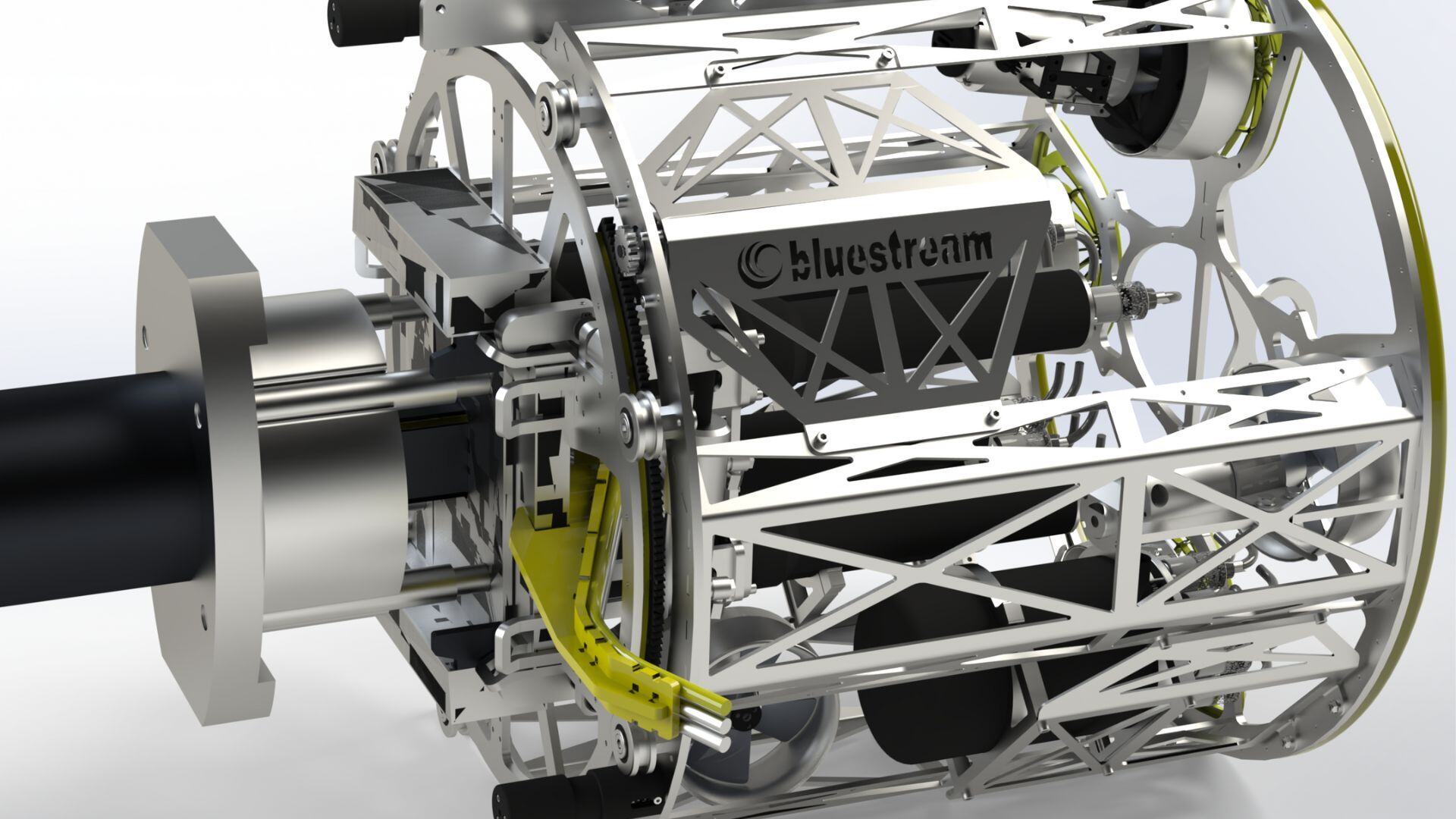
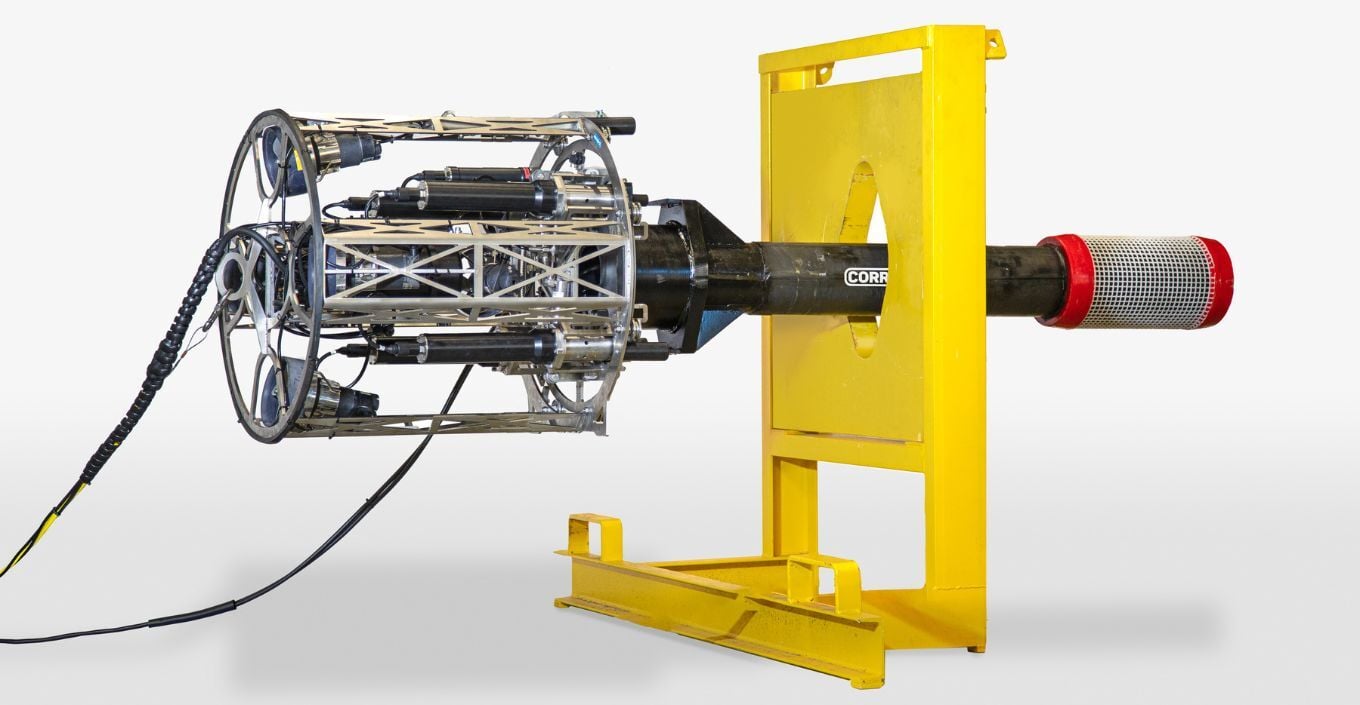
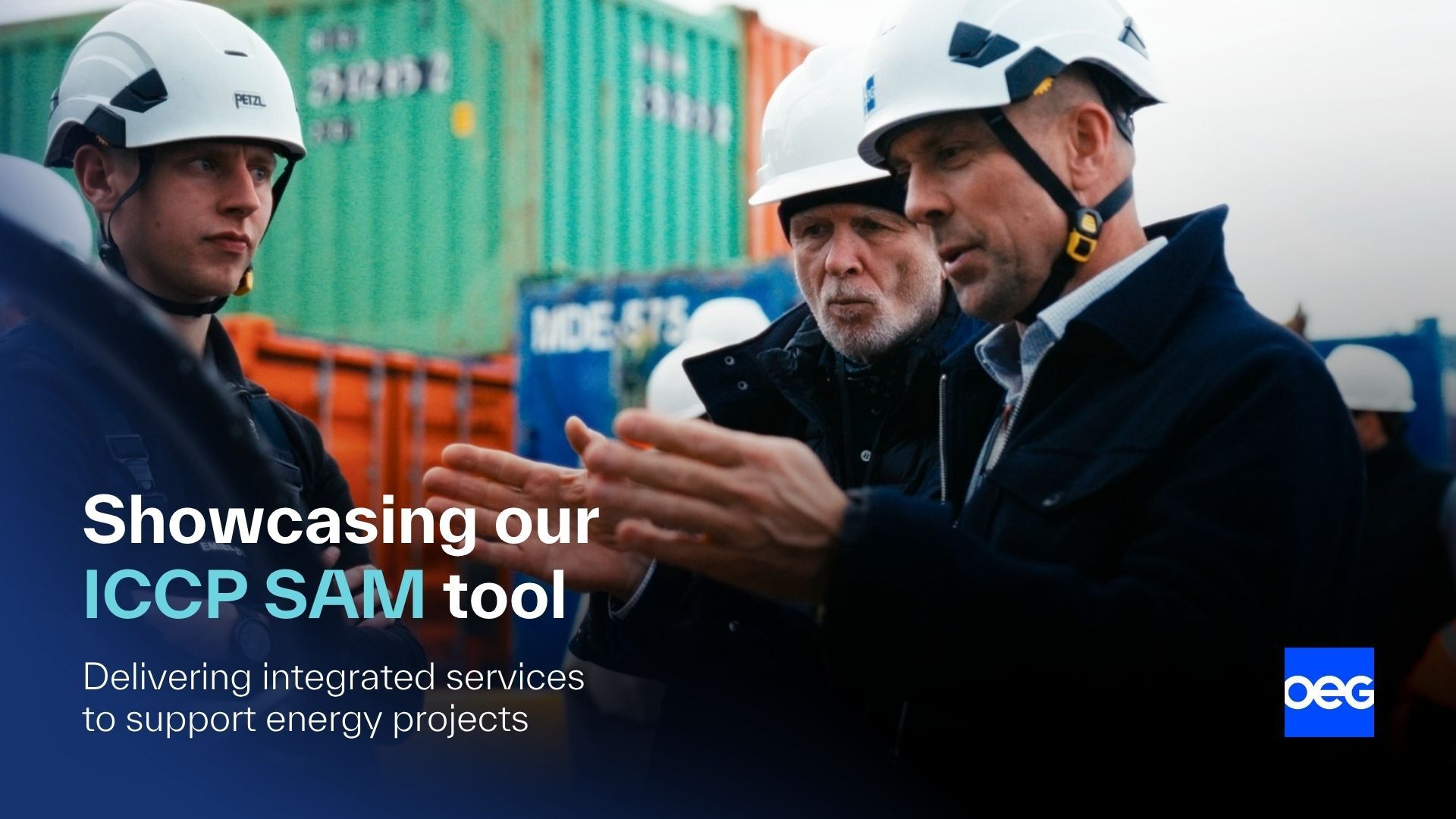
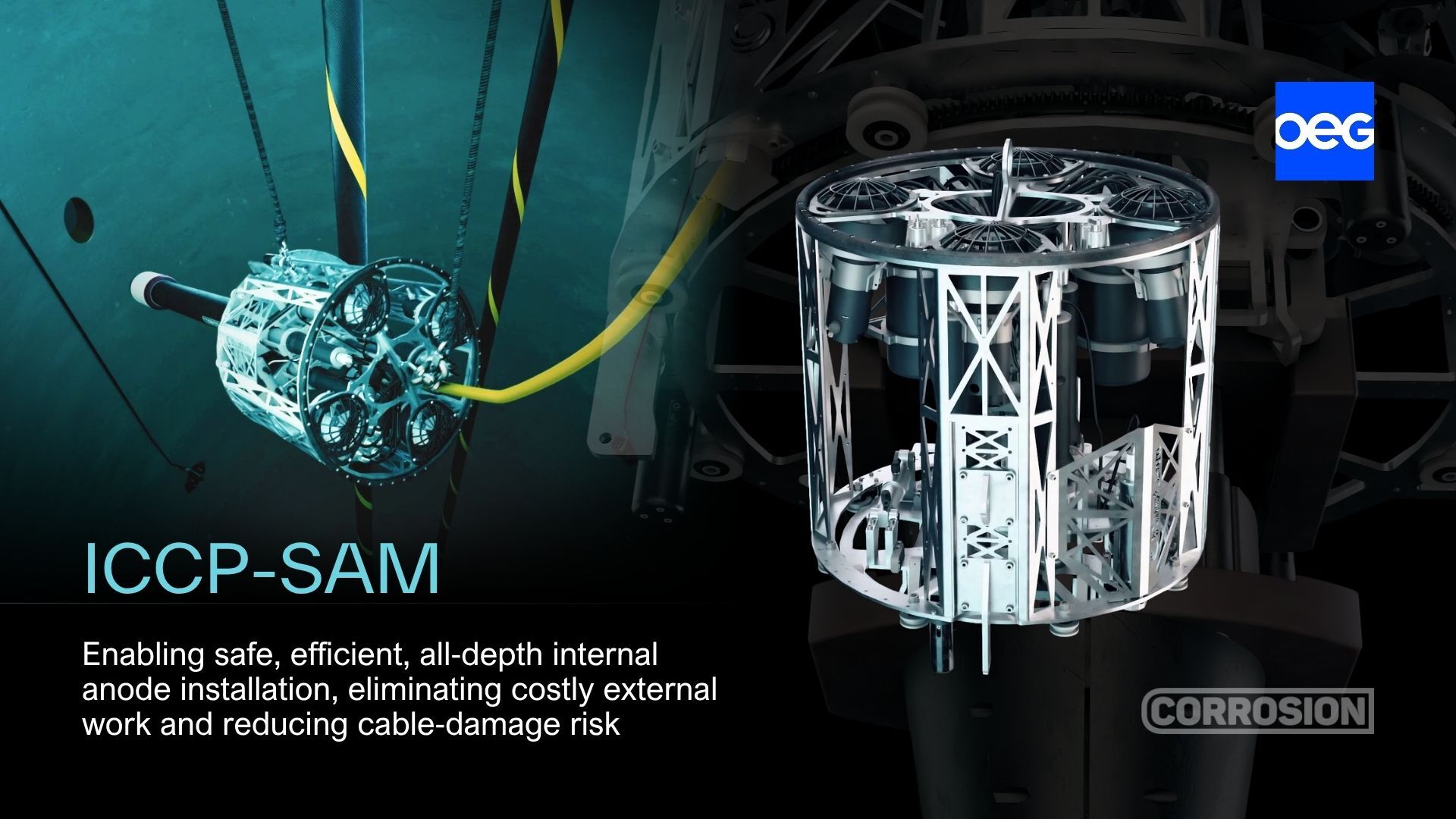
Developed in response to growing market demand and in collaboration with CORROSION, the ICCP-SAM (Impressed Current Cathodic Protection - Subsea Assembly Method) tool is specifically designed to remotely install ICCP anodes on monopile foundations of all sizes, anywhere on the foundation and even in the roughest ocean conditions.
The ICCP-SAM is an innovative tool for installing ICCP anodes from inside a monopile foundation, suitable for any water depth. With larger monopile foundations, corrosion protection becomes more difficult. Anodes must be placed deeper on the foundation, which can lead to costly external installations and risk of cable damage when pulling cables inside the monopile.
The ICCP-SAM, with an outer diameter under 800 mm, fits through standard hatches (850 x 950 mm) and holds the ICCP anode with hydraulic clamps. Thrusters enable precise control, and the anode is locked in place by a simple rotation and a 4-bolt fixation.
- No requirement for large, costly vessels
- No secondary steel structures are required
- Increased workability due to minimal current inside the foundation
- Cables remain protected inside the foundation
The latest upgrades to the ICCP-SAM focus on optimising both the installation process and the performance of the anode system, improving the reliability of the tool in challenging offshore subsea conditions.
Impressed Current Cathodic Protection
ICCP-Subsea Assembly Method
Complex subsea weld inspections
Mecanum Crawler
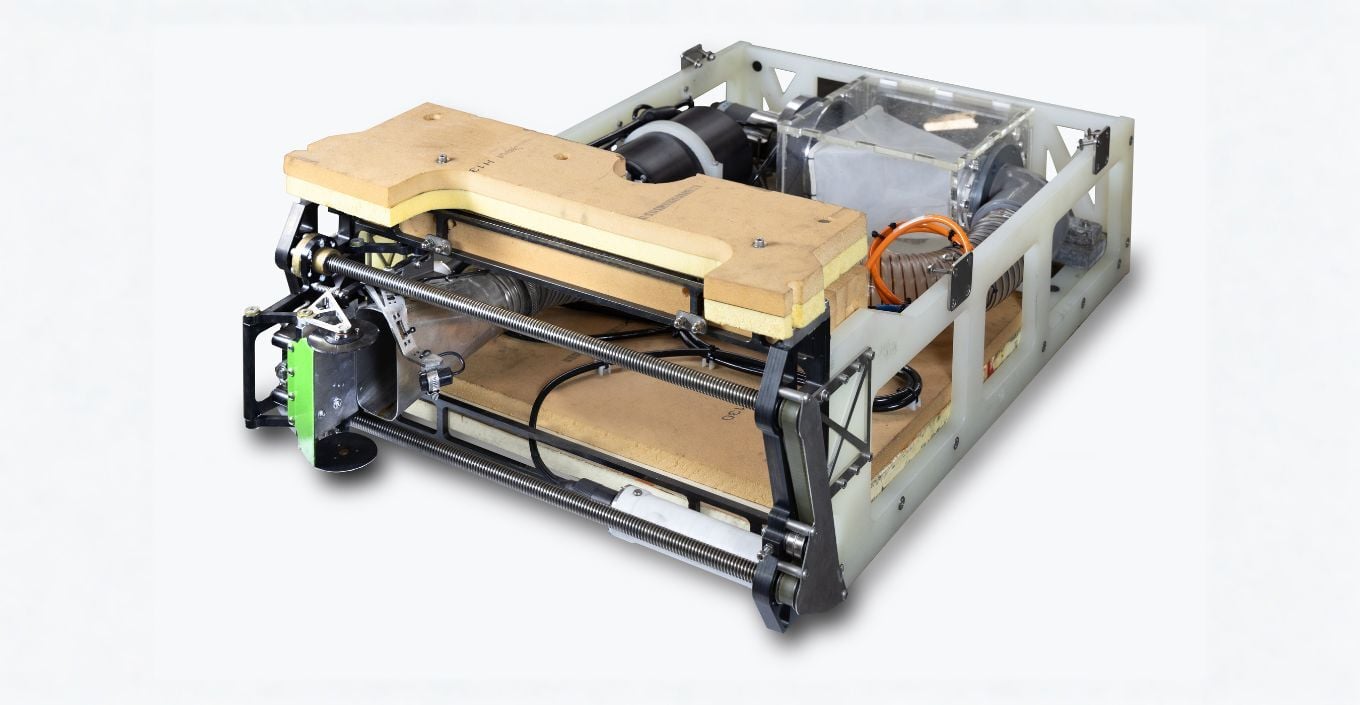
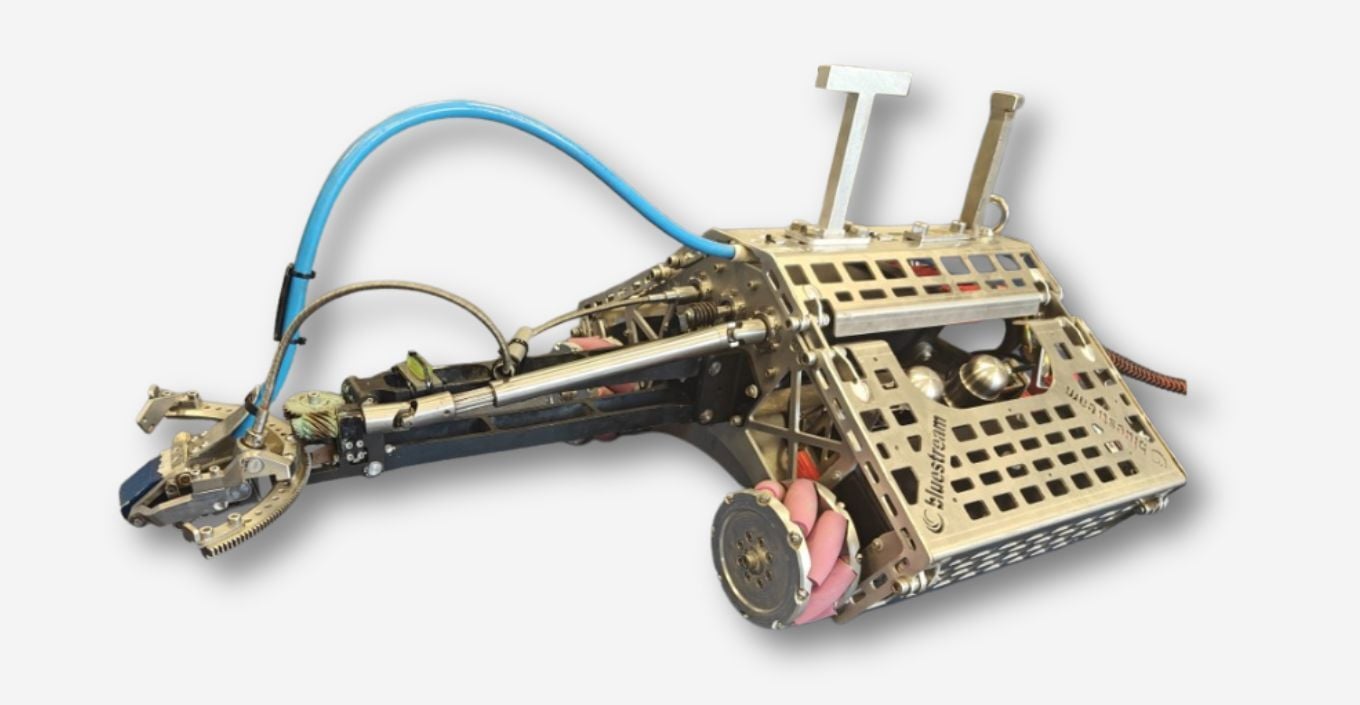
The Mecanum Crawler is a specialised tool primarily designed for scanning complex subsea weld inspections.
The tool adheres to the structure by creating an under pressure through the use of four thrusters. This ensures excellent stability on the structure in any orientation. It also allows for operations on members which require less cleaning than the previous generation tool which reduces the duration offshore and thus saves costs.
The Mecanum Crawler, as the name might suggest, utilises mecanum wheels. These wheels make it possible to drive in any direction, which greatly increases the manoeuvrability. Because of the compact dimensions of the tool and reduced weight of the tool is it easy for the operator to position it and it can access more complicated geometry than before.
The tool was designed to carry out Alternating Current Field Measurements (ACFM) on nodal joints, larger monopile welds or flat surfaces like vessel hulls or tanks, meaning it can be tailored to carry different sensors. The software’s intuitive control mechanism assists the operator in using the inspection probe, keeping track of its travel and location, by providing full feedback from all joints.
Complex subsea weld inspections
Mecanum Crawler
investigating growth on turbine foundations
Marine Growth Sampling Tool
The Marine Growth Sampling Tool (MGST) was created to study underwater fauna on wind turbine foundations efficiently and safely.
The MGST was developed by Bluestream Offshore and Wageningen Marine Research to investigate underwater fauna on wind turbine foundations, addressing the high safety standards and costs associated with diving operations. First tested at the Hollandse Kust (South) wind farm, the MGST can be attached to a Remotely Operated Vehicle (ROV) to scrape marine life from turbine foundations. Initial tests collected 22 samples, revealing various marine species. Preserving turbine coatings was a key consideration, ensuring metal structures remain protected.
investigating growth on turbine foundations
Marine Growth Sampling Tool
Upcoming webinar
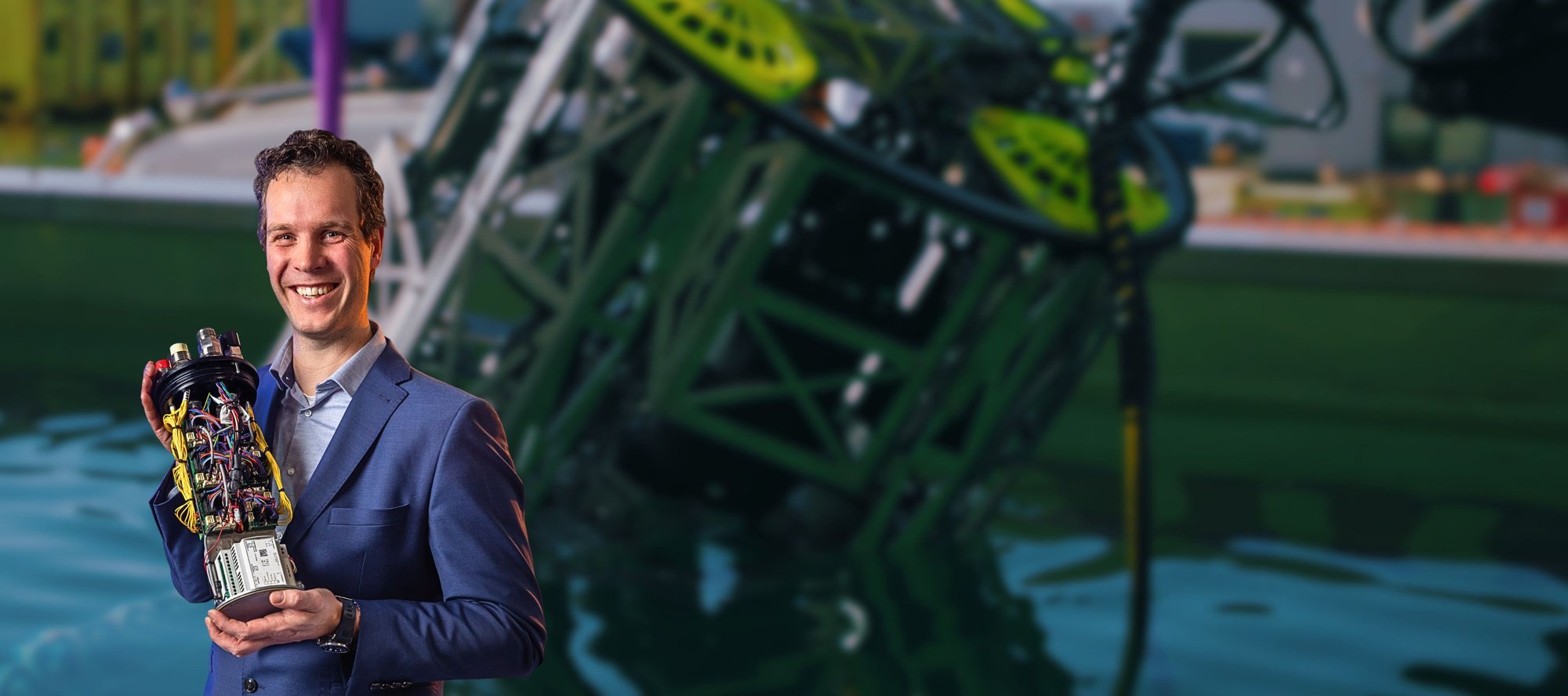
Join our upcoming webinar with Jan-Jelle Huizinga, Head of Technology (Subsea Division), as he explores the latest advances in subsea technology and how OEG’s in‑house research and development team is developing bespoke tools to solve real-world offshore challenges.
See our tools in action
Explore our video library to see our subsea tools in action.ICCP-Subsea Assembly Method (ICCP-SAM)
Demonstrating the ICCP-SAM
Want to find out more?
Our team of technical experts are here to support you.