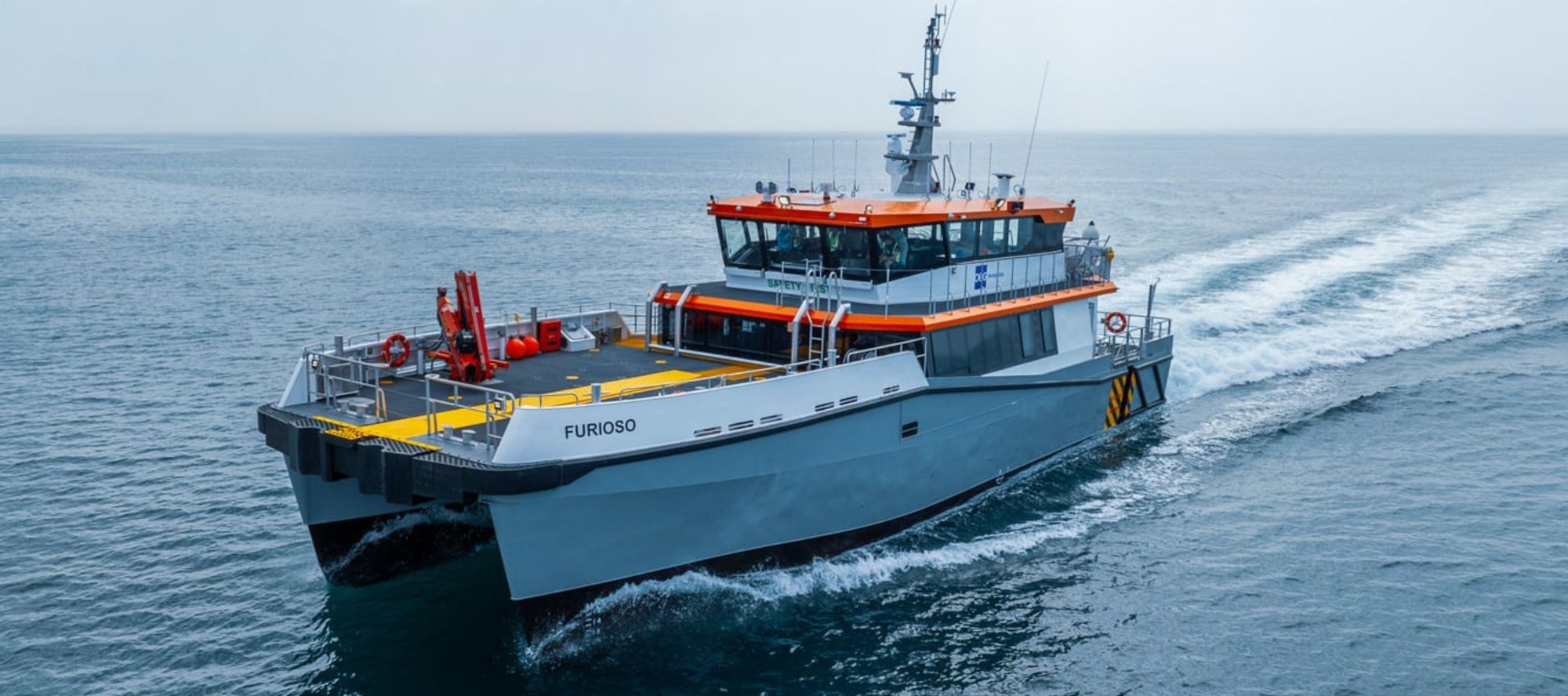
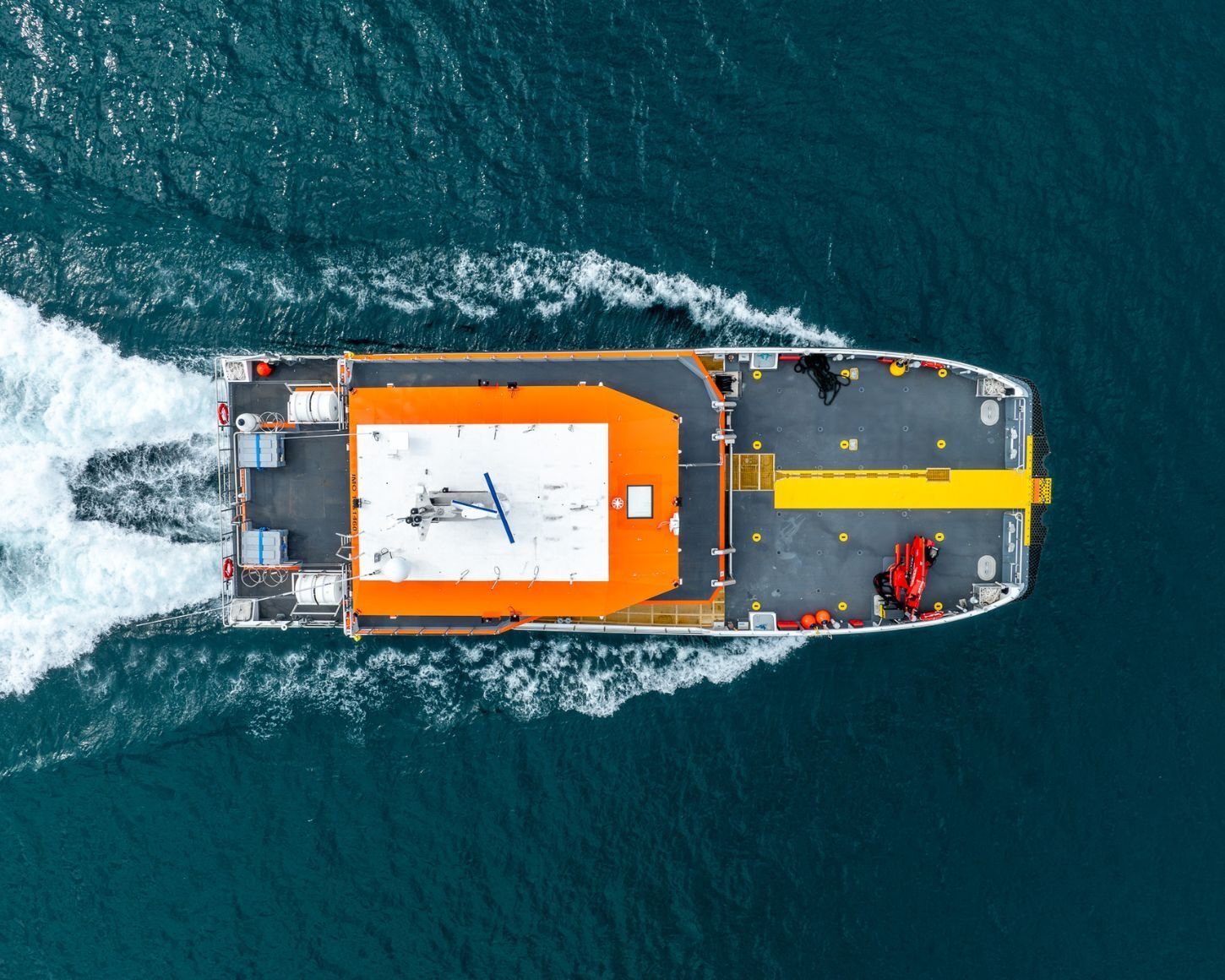
The offshore energy landscape, particularly wind, is undergoing a rapid transformation. Projects are moving further offshore, requiring 24-hour operations and demanding vessels capable of maintaining service year-round, and in harsher weather conditions.
For marine service providers, the traditional model of large, generalised fleets is no longer a suitable approach. With the European Crew Transfer Vessel (CTV) fleet currently around 393 vessels and potentially growing to 732 by 2032 (Braemar Offshore Services' 2023 fleet analysis), and with an expanding market in Asia, the focus is shifting from fleet size to fleet quality and specialisation.
As a specialist marine services provider, we are leading this evolution, strategically streamlining our operations through the disposal of older tonnage. This is not just a tactical adjustment; it is a fundamental financial and competitive decision aimed at strengthening our position in the specialised marine service market.
We are responding to enhanced operational windows with modern vessel designs that can safely facilitate transfers in significant wave heights of up to 1.75 metres. By moving the whole fleet towards this capability, we are guaranteeing a higher service reliability. This means more working days offshore, paramount for high-income-generating assets like wind turbines, where minimising downtime is critical.
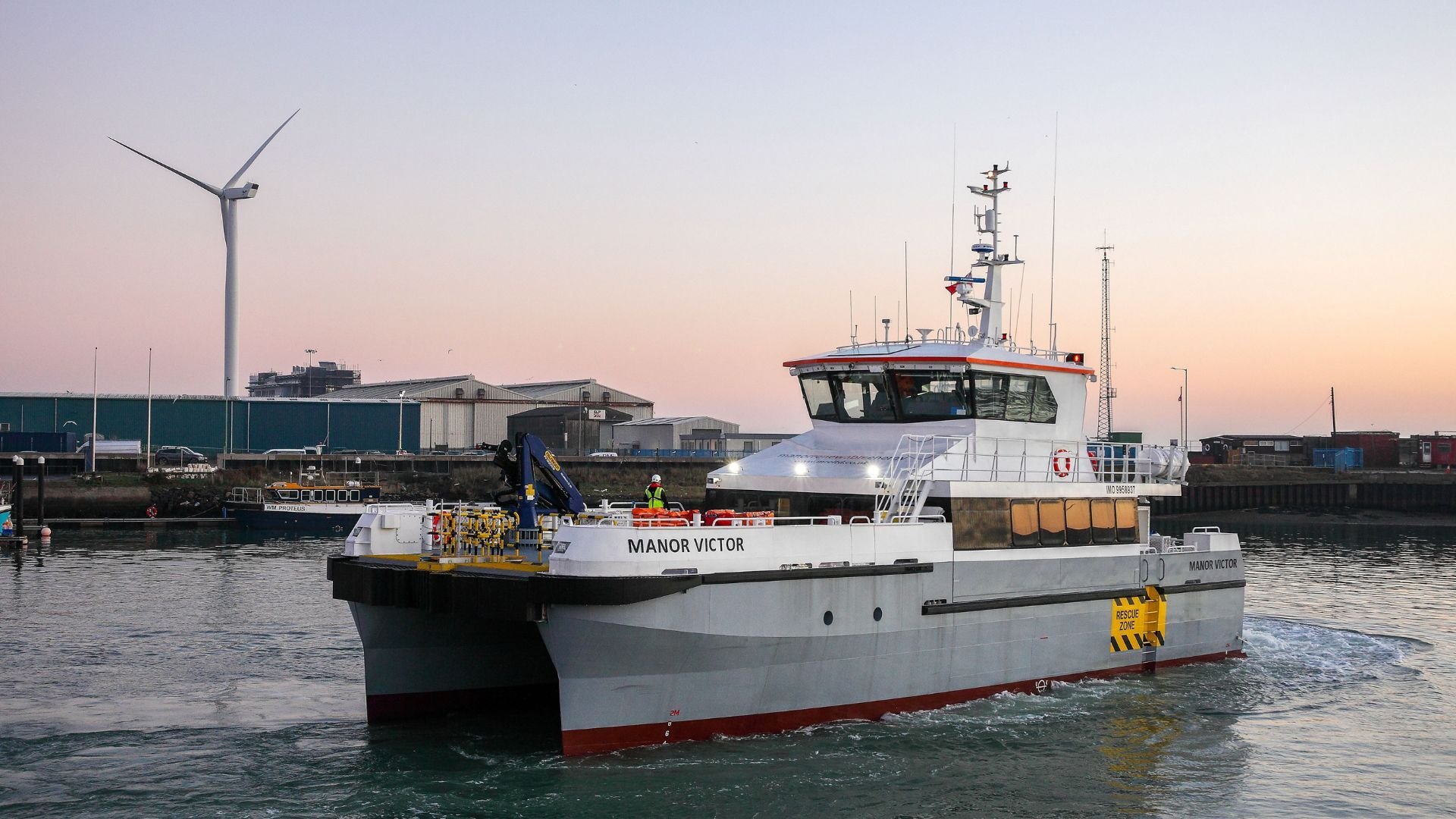
We are transitioning away from a generalised fleet toward one with dual, specialised functions with high-speed passenger transport for rapid and efficient crew changes, and larger, high-endurance vessels with greater fuel capacities that can offer extended offshore services.
This tailoring allows us to efficiently support the entire range of modern offshore projects, from installation to long-term operations and maintenance.
A core driver for retiring older vessels is their high operational cost. According to 2021 report published by the UK Government DfT, Crew Transfer Vessels typically operate for around 200 days a year, and burn an estimated 1,100 litres of fuel per day. These daily consumption rates highlight the massive operational expenses and carbon footprint associated with maintenance logistics, making efficiency and decarbonisation a key priority.
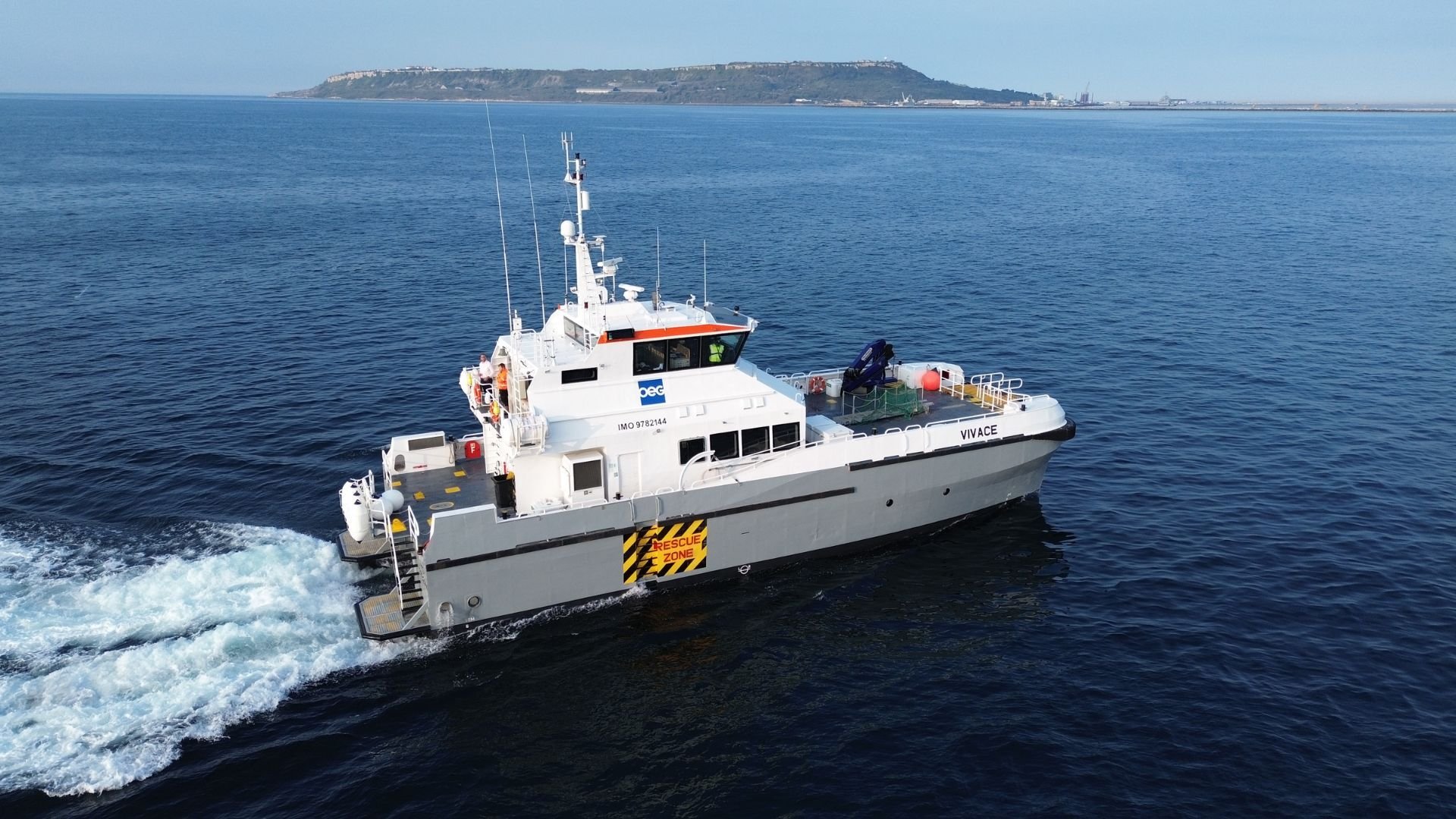
By focusing on newer, more efficient models, we are delivering significant cost savings, reducing fuel consumption, and investing in future-proofed, specialised, and highly reliable assets that meet the high-specification demands of our clients.
This focus on fleet quality and specialisation ensures superior uptime, lower operational costs, and adherence to the highest environmental standards, making us the partner of choice for the world’s leading offshore energy projects.